IntervalOS

Legacy parking control system, rebuilt

Role
Product design, research, design system
Team
Solo
Platform
Desktop web, Hebrew right to left
Year
2026
Status
Concept
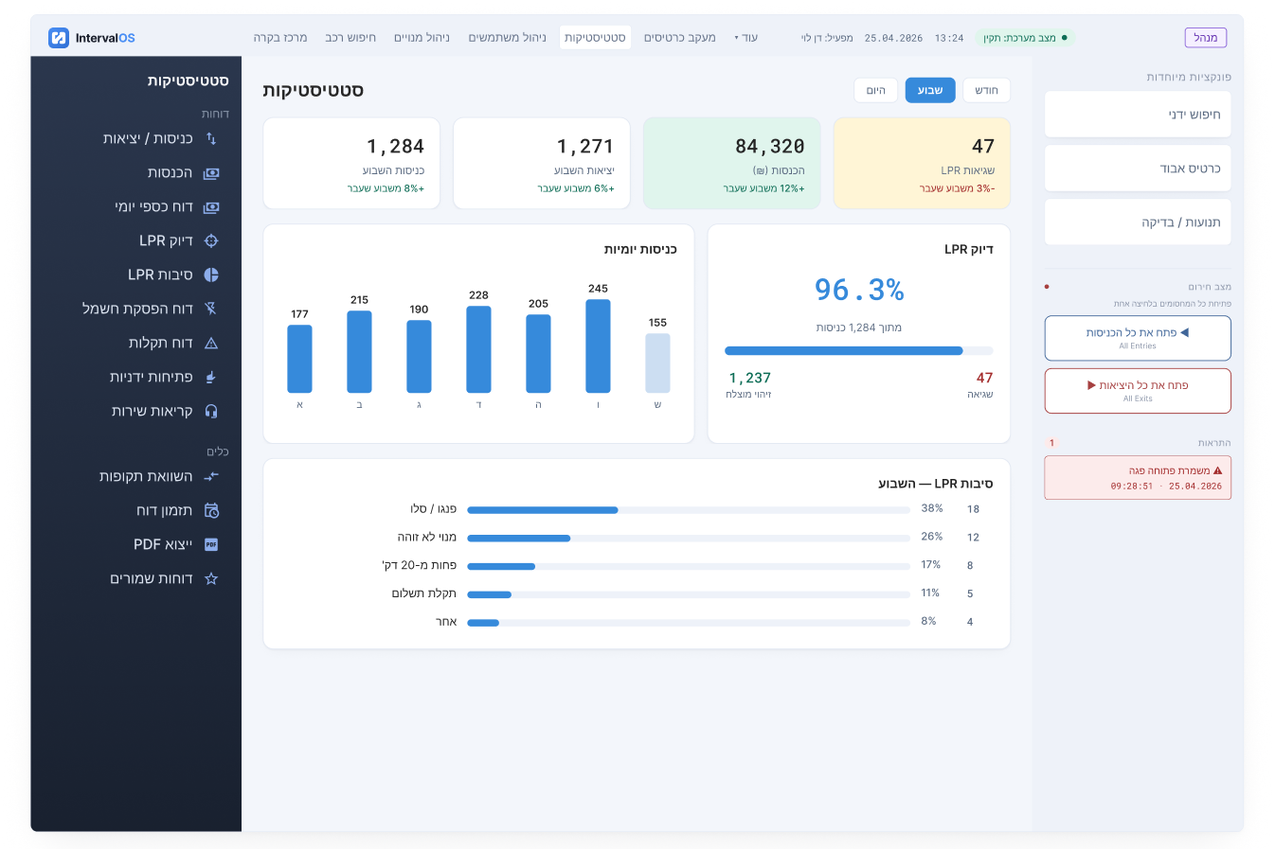
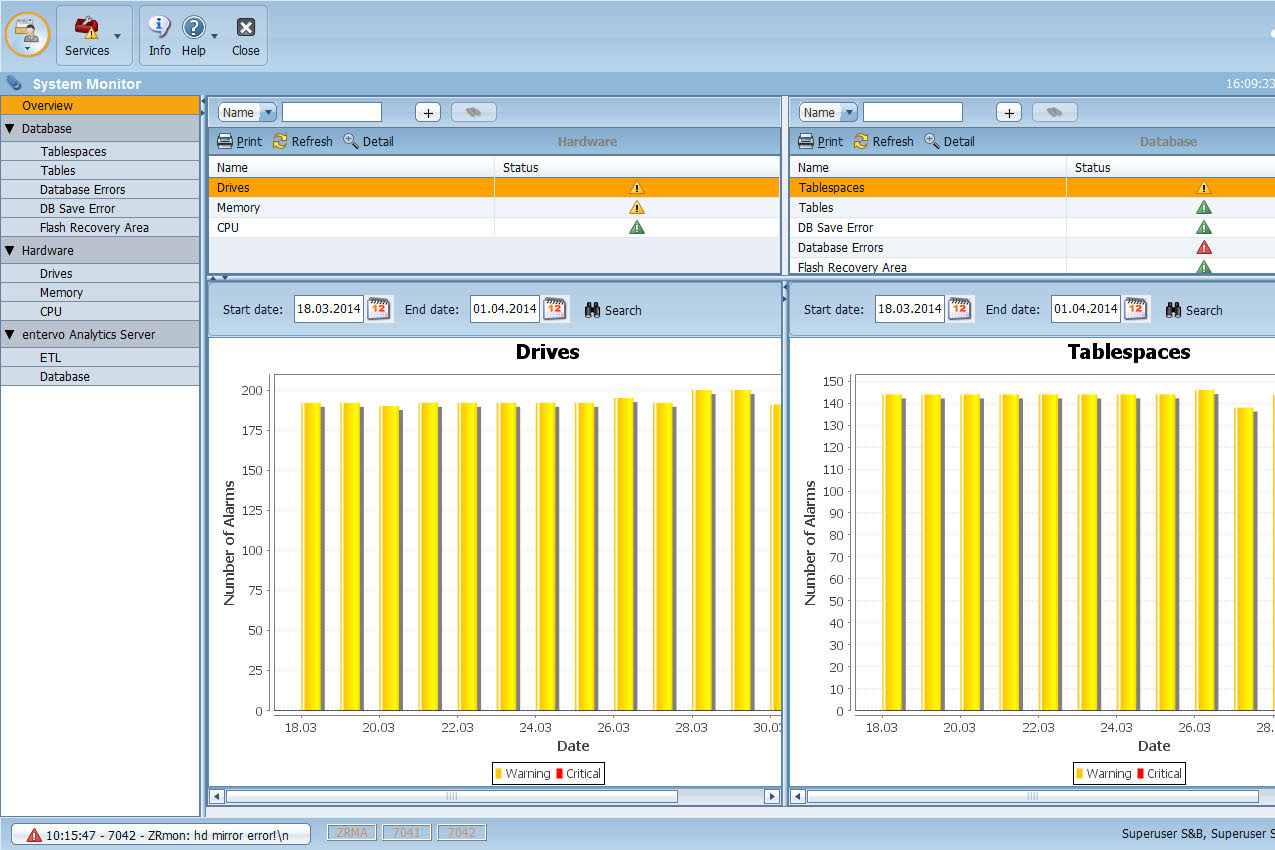
The IntervalOS statistics screenThe legacy entervo System Monitor with alarm count charts
BEFORE · ENTERVOAFTER · INTERVALOS

The same job in two systems: entervo's System Monitor on the left, the IntervalOS statistics screen on the right. Drag the handle to compare.

IN SHORT
A parking control system for the operators who run the gates and the manager who answers for the money, redesigned by someone who worked those shifts.
SCOPE
Over a hundred prototype screens, one design system, Hebrew right to left.
STATUS
Self initiated. Prototype only. Not deployed and not usability tested.

01 THE PROBLEM

Every call crossed three or four applications. Every shift closed on paper.

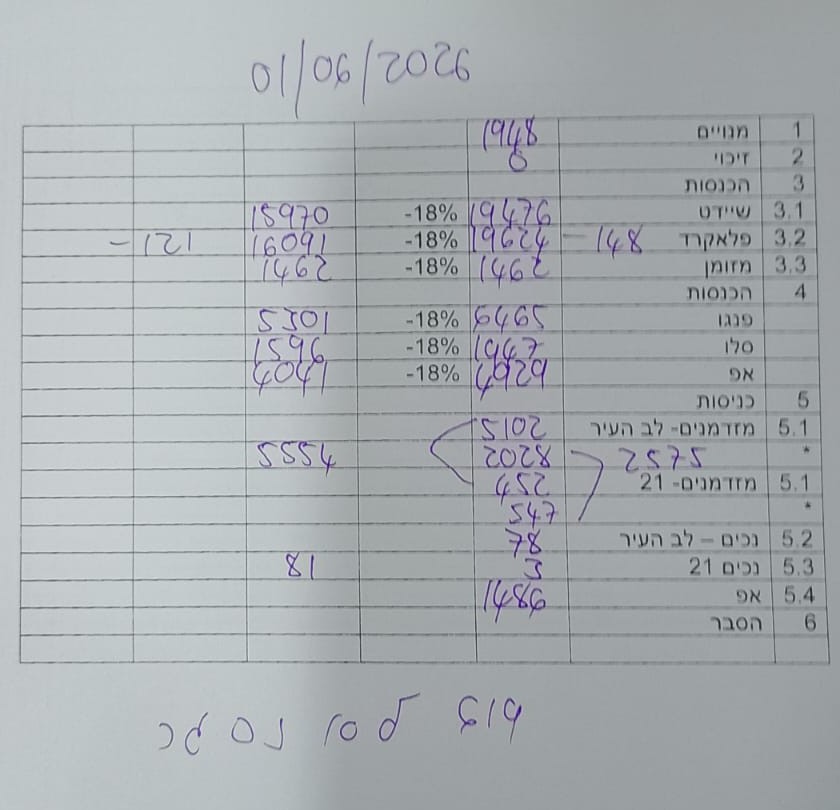
The facility ran on entervo, built in the early 2000s for stability rather than speed. I worked shifts on it. These are the screens I worked in and the papers the manager kept.

1The operator's screen

A driver is waiting at the barrier.

To let one car through, the operator had to find it, act on the device and check the machine. entervo kept each of those in a different application, so one intercom call meant three or four windows.

Pick a step

2The manager's desk
A handwritten sheet of the day's totals, corrected and regrouped in pen

The day was rebuilt afterwards, by hand.

entervo recorded every payment but gave the manager no way to count the day or keep the books in order. So each day closed on a sheet like this one, worked out by hand. Faults arrived by phone and were written down later, from memory.

3What it cost

The system opened barriers. It could not say why.

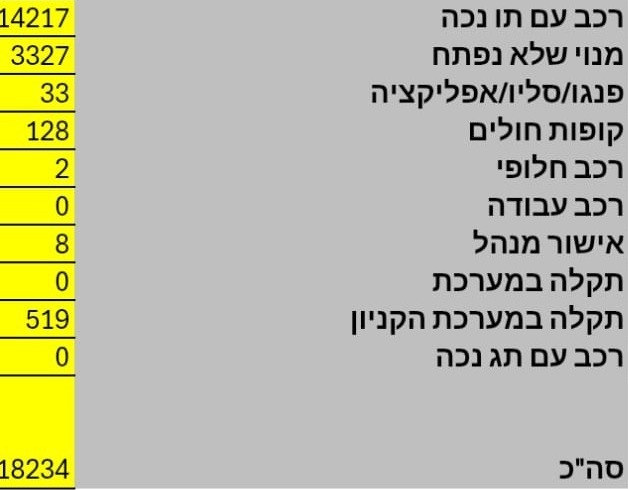
Every manual opening had a reason, and none of them reached the system. The manager rebuilt them as totals in a spreadsheet, with no name, time or lane behind any line.

The manager's 2026 manual openings spreadsheet: a total per reason, 14,217 of 18,234 for a disability permit
The manager's 2026 report, as it was kept.
18,234manual openings in the 2026 report, counted by hand
Disability permit78% · 14,217
Subscriber the gate did not open for18% · 3,327
Five other reasons together4% · 690

Drawn to scale from that report. Nearly eight in ten manual openings were a disability permit, the single check the old system gave no screen to.

02 RESEARCH

I knew the problem. I still had to check.

Working the floor gave me hypotheses, not findings. I tested them against the operators I work beside and the manager who closes every shift. One number came out of an interview I could never have reached from my own seat.

The gate operators

Remote controllers · 8 hour shifts · 40 gates across the sites they cover

The facility manager

Operations and revenue · closes every shift

7x/hour

barrier incidents per operator

measured firsthand, not estimated

₪600,000

lost during one stretch of system failure

from the interview

When the honking starts, procedure loses.

By the second honk the operator stops searching and opens the barrier. No name, no reason, no timestamp.

Failures cost money the system never priced.

Downtime showed up as a fault, never as a loss. The ₪600,000 figure came from the manager, not from entervo.

Two roles, one root cause. The system recorded nothing.

Capture the reason at the moment of the action and both problems collapse into one.

03 STRATEGY

Planned by frequency, not by feature list

The barrier first, the back office after. Every screen earned its place by how often it is opened.

01
FREQUENCY7x / hour
MOMENTDriver stuck at the barrier
OWNEROperator
02
FREQUENCY1x / shift
MOMENTCash reconciliation
OWNERManager
03
FREQUENCY1x / month
MOMENTReports and settings
OWNERManager
1 · AT REST2 · THE CALL ARRIVES3 · WHAT IS IN THE WAY4 · ONE TAP5 · WHAT IT PRODUCESIdle16 locations liveCall openPhoto, plate read andsubscription arrive togetherIdentity is clearNothing to resolveThe plate was read wrongManual search, candidate listA permit is claimedTwo conditions, both explicitThe ticket is lostExit camera recovers the entryReasonSix chips. Pressingone is the commandthat opens the barrier.Barrier openingResolves on hardwareAudit recordWho, when, where, whyTHE SAME TAP DOES BOTH. THAT IS THE WHOLE DESIGN.BARRIER CONFIRMED, CALL CLOSES, CONSOLE RETURNS TO IDLE
Every screen in the product is a state this map already contains. The screens came after it, not before.

04 DESIGN SOLUTIONS

What used to happen off screen now happens on it.

Paper, phone calls, guesswork from memory: each now lives at the operator's console or the manager's desk. What the operator does during a call becomes a line the manager can read, count and reconcile.

Each old workaround next to the element on screen that replaces it.

For the operator

Capture the reason, then see the state, without leaving the call.

Screens show prototype data.

A permit check that no longer stops the lane

Verifying a disability tag meant leaving the call for another window while the queue built up behind the barrier. The check now happens inside the call: two conditions confirmed and the gate open in the same breath, and the audit trail is a by product of the decision, not extra work.

The permit check sits above the action grid, not in another window. Confirming it is what opens the barrier, so the record and the decision are one gesture.

The operator sees the site before anyone reports it

The old system could only describe the floor once somebody else had already noticed it. IntervalOS holds every location in a single ranked view, so the operator’s picture of the site is current by default. A stuck exit that used to mean a drive to the gate now restarts from the desk, and every lane reports itself, ticket stock included.

Exit 206: stuck, restarted, back to normal in one tap.

For the manager

Attribute the action, then use the record.

The day is already counted when the shift ends

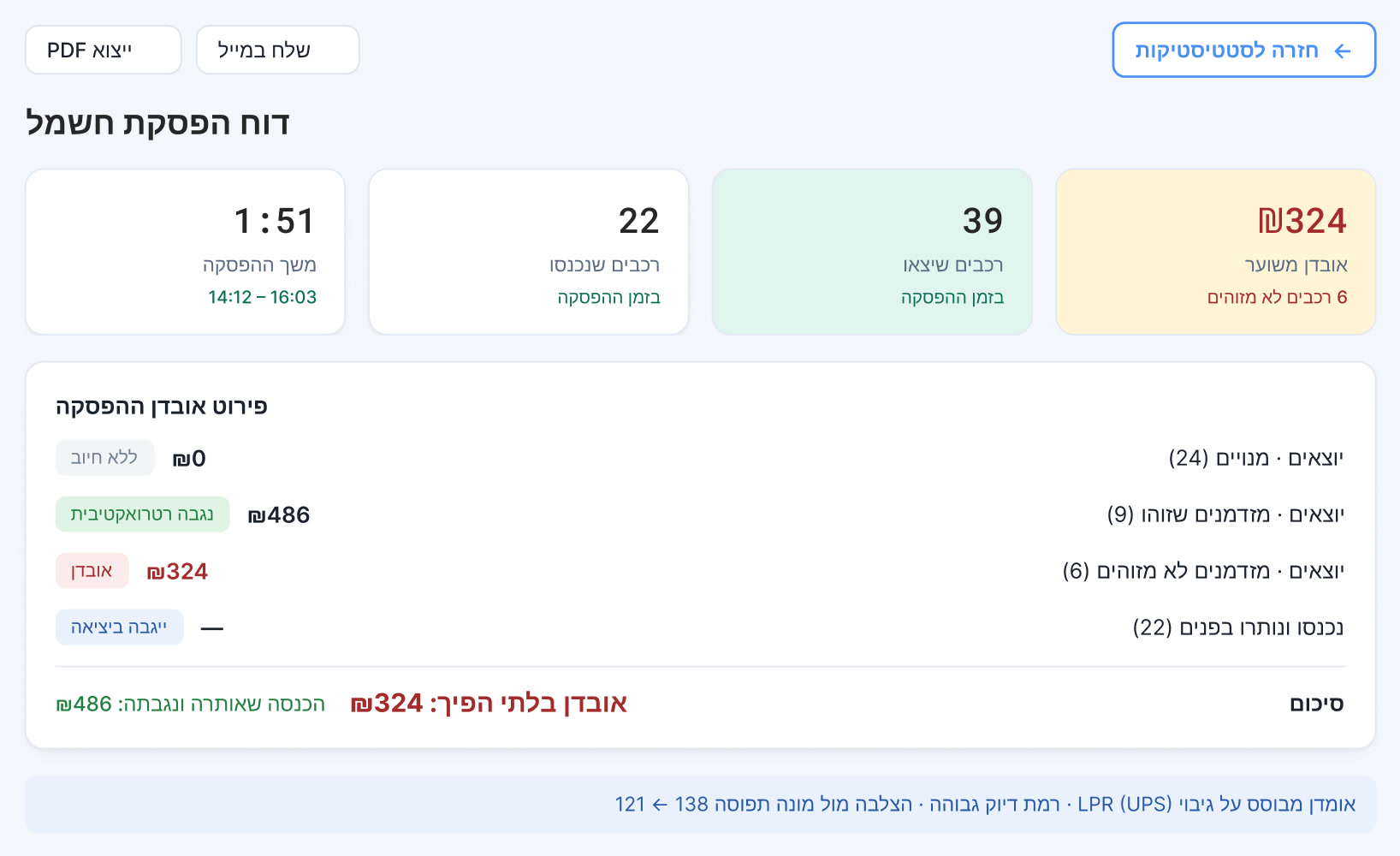
Entries, exits, income and plate recognition (LPR) failures now share one screen, each figure carrying the previous week beside it, so drops show up early and broken equipment gets a price. The shift ends with a number instead of an estimate assembled afterwards, and the same view leaves as a PDF or an email, so nothing is retyped.

Forty seven LPR failures is a number the old system could produce. Forty seven failures sitting next to the week’s income is the one that gets acted on.

Every override now carries a name

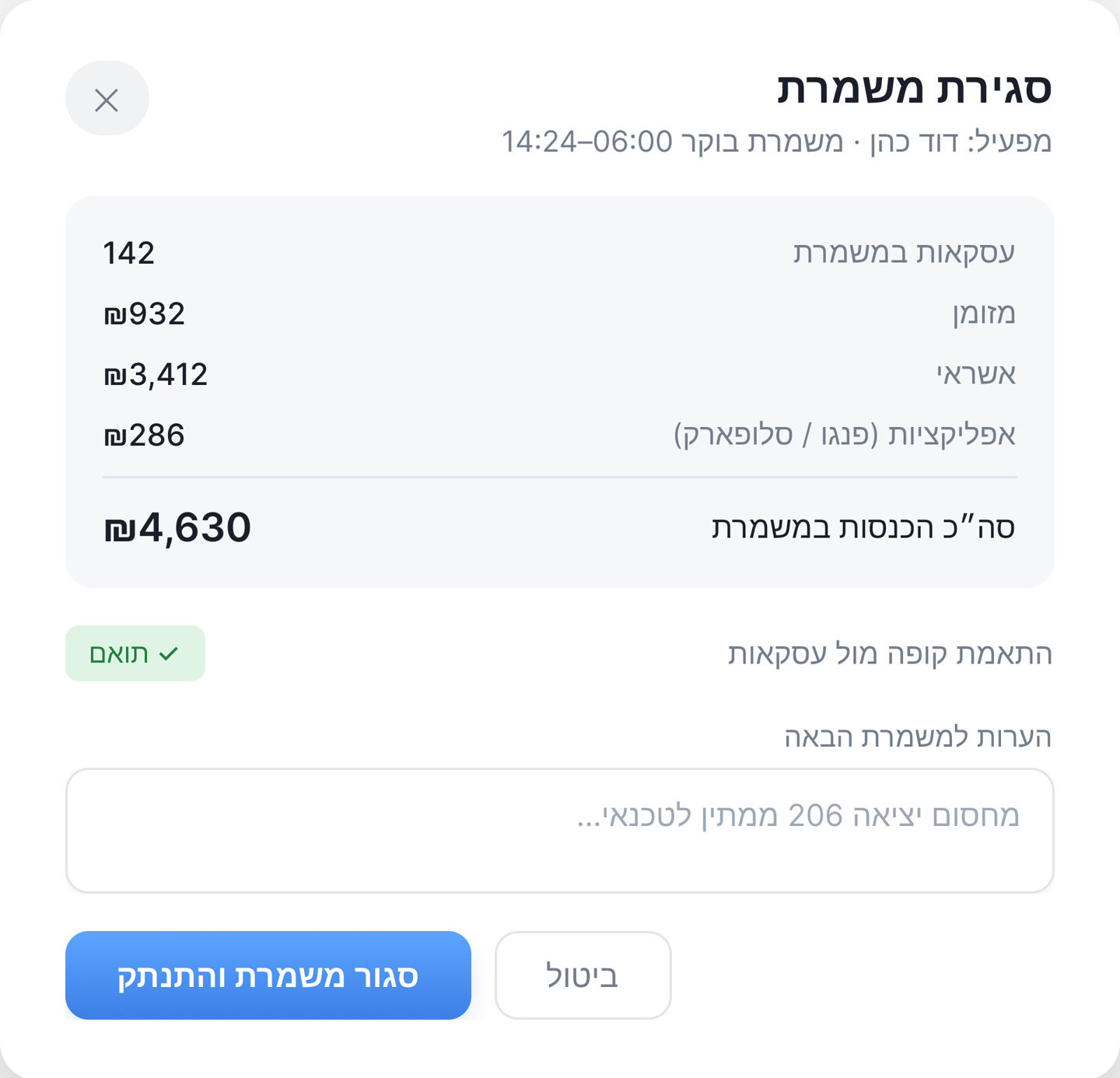
Manual openings used to leave the building with no author, which made both discipline and defence impossible. Attaching each action to the operator on duty is not really about the record. It is about what people do knowing the record exists. Plate, lane and reason attach to whoever was on the shift, and an understaffed night shows up on the roster, not on the shift.

The filter row is the point. Manual approvals are one click away from the full log, because that is the only category anybody ever goes looking for.

05 DECISION · OPERATOR FEEDBACK

Operators heard about payment app outages from angry drivers, never from the system.

Operators, control room · paraphrased

The answer is a signal that stays quiet until it matters.

Set aside: A permanent status panel for every payment app.

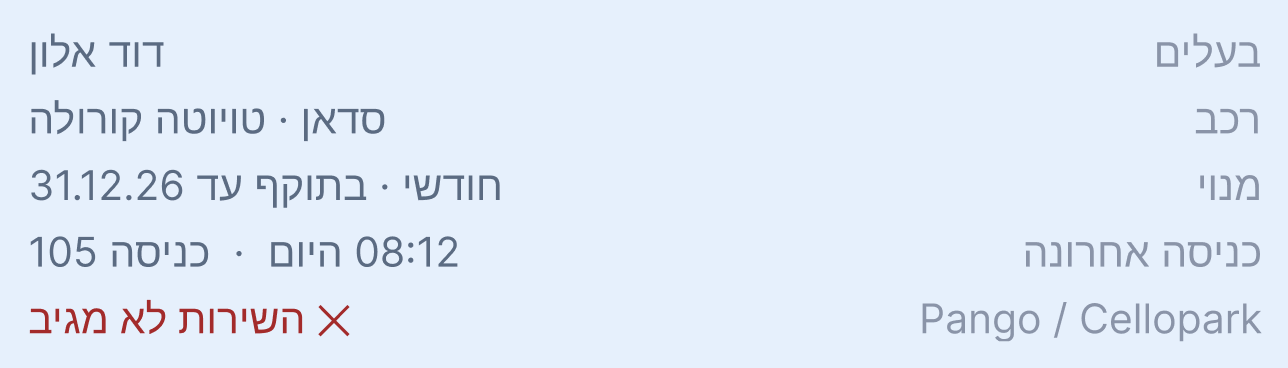
Chosen: A status light that changes only on a critical failure.

What the operator sees when Pango, one of the parking payment apps, goes down:

BecauseA permanent panel is noise on a screen watched for eight hours. Naming the cause on the call card ends the search on every affected call.
CostIt depends on the apps reporting their error cause. The saving, an estimated 20 to 30 seconds per call, is not measured.

06 IN PRACTICE

Where the time comes back, and which errors stop

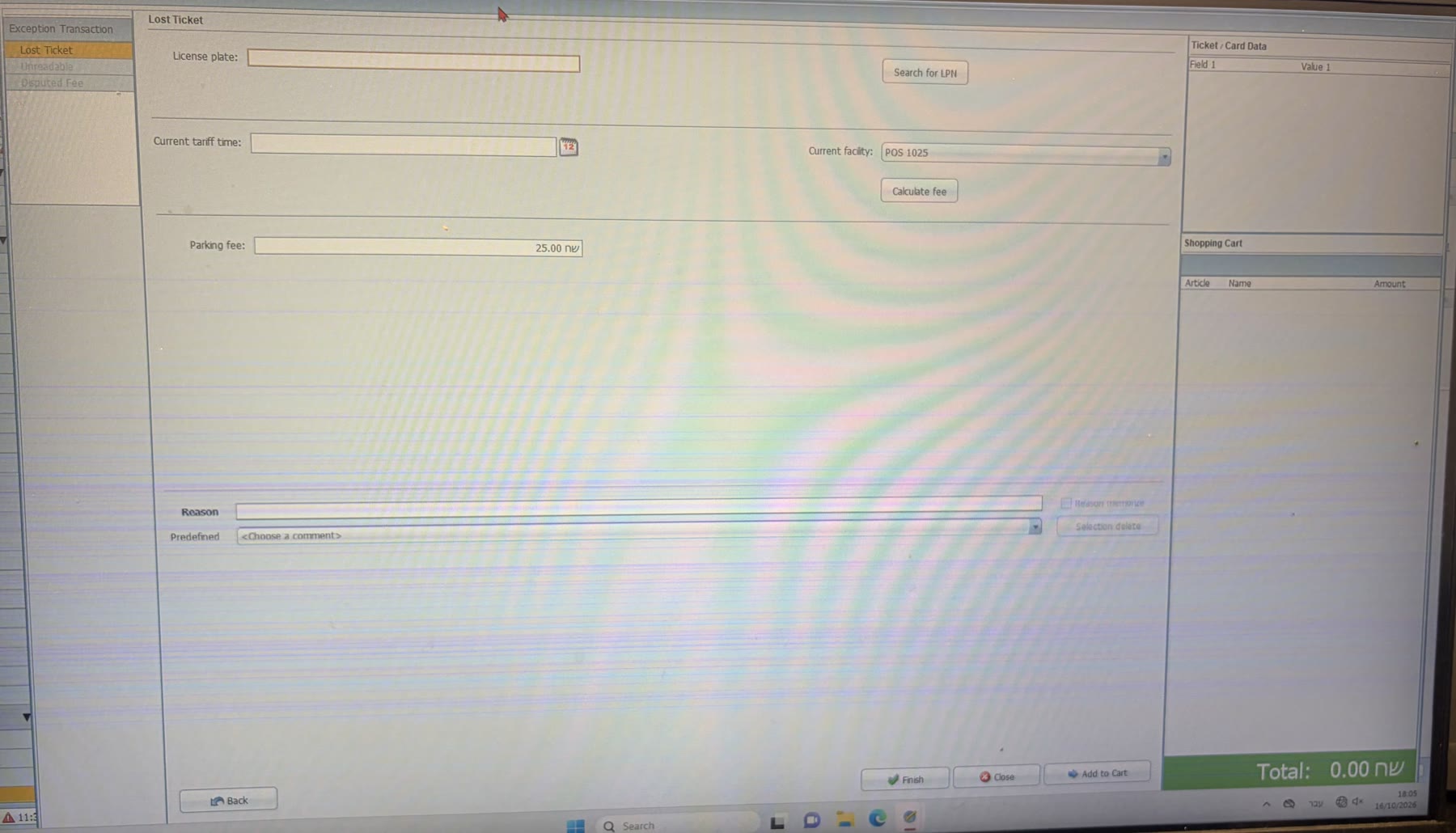
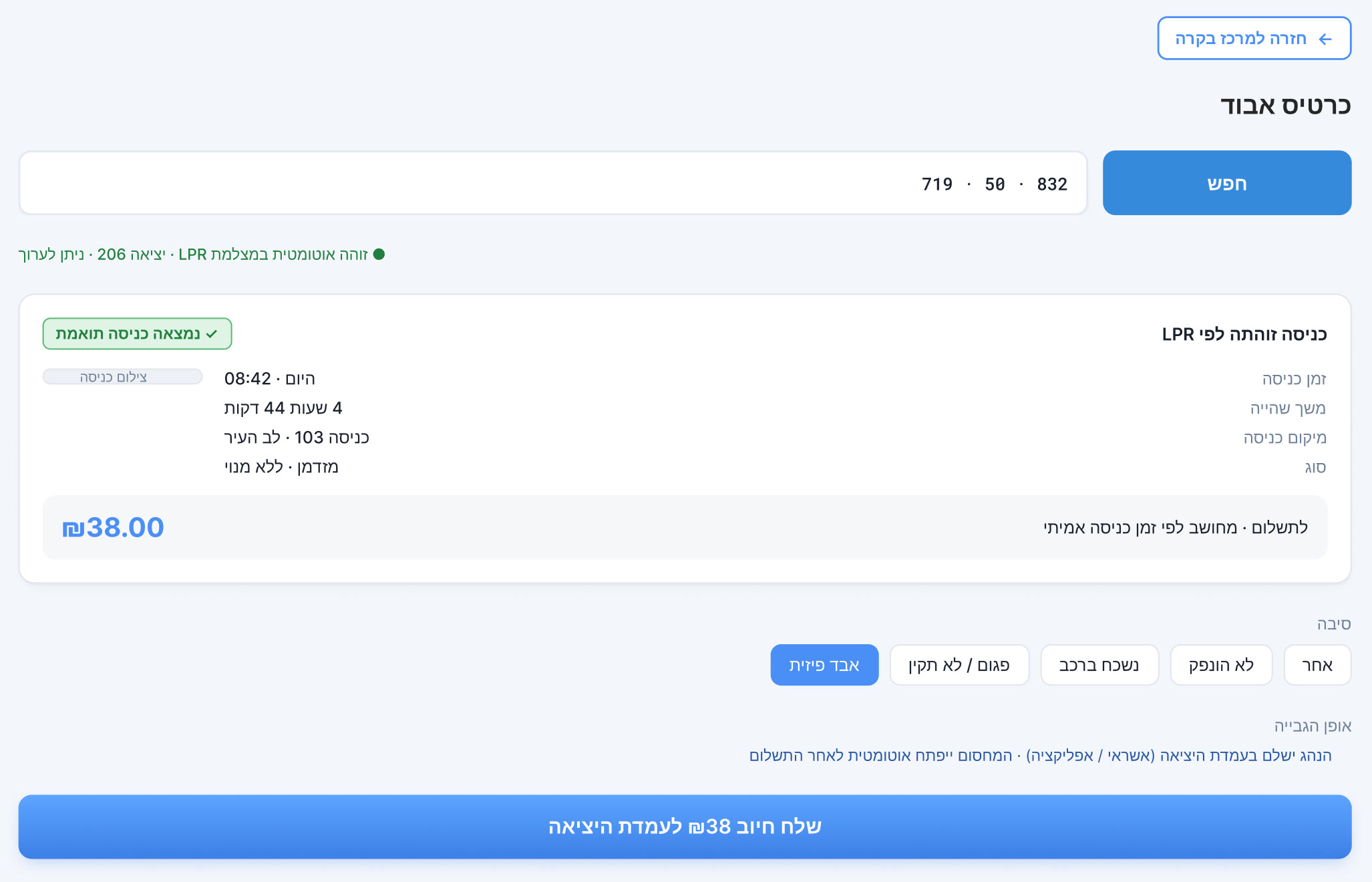
entervo photographed as it runs today, next to the same task in IntervalOS.

IntervalOS screens show prototype data.

07 OUTCOME

What shipped, and what only testing can answer

WHAT THIS CASE STUDY RESTS ON

  1. Working the floor

    My own shifts on entervo

  2. The operators

    The people I work beside

  3. The manager

    One interview

  4. Someone using it (not done yet)

    Not done yet. The next step.

SHIPPED

  • 100+clickable prototype screens: the operator flow, the manager reports, the modals
  • 33semantic tokens in one design system, with its text styles and components
  • 1React build on the same tokens, where the audit log really writes and the barrier really moves

ONLY TESTING CAN ANSWER

  1. Do operators read the permit check, or tap through it?

    Two deliberate confirmations sit on the most common legitimate action in the building. If they turn into one reflex, the friction buys nothing. No screen can settle that. A real shift can.

Contact

Let's make the next step obvious.